·
10 Min Read

Introduction: The Fear of Trying Something New
In 2026, video dominates social media.
Reels, short-form videos, behind-the-scenes clips, product demos, storytelling content — everything revolves around video.
But here’s the real problem brands face:
“What if we try something new and our reach drops?”
Algorithms reward consistency.
Audiences expect familiarity.
Risk feels dangerous.
But innovation is necessary for growth.
The solution is not avoiding new ideas.
The solution is testing them smartly.
Why Testing New Video Ideas Is Important
If you do not experiment:
Your content becomes repetitive
Engagement slowly declines
Audience interest drops
Competitors overtake you
Testing allows brands to:
Discover new high-performing formats
Identify new audience segments
Improve storytelling
Increase conversions
But it must be done strategically.
The Biggest Myth: One Bad Video Kills Your Account
In reality, Instagram evaluates content individually.
One underperforming Reel does not permanently damage your account.
However, multiple inconsistent posts without strategy can confuse your content positioning.
The key is structured experimentation.
Smart Ways to Test New Video Ideas Without Risk
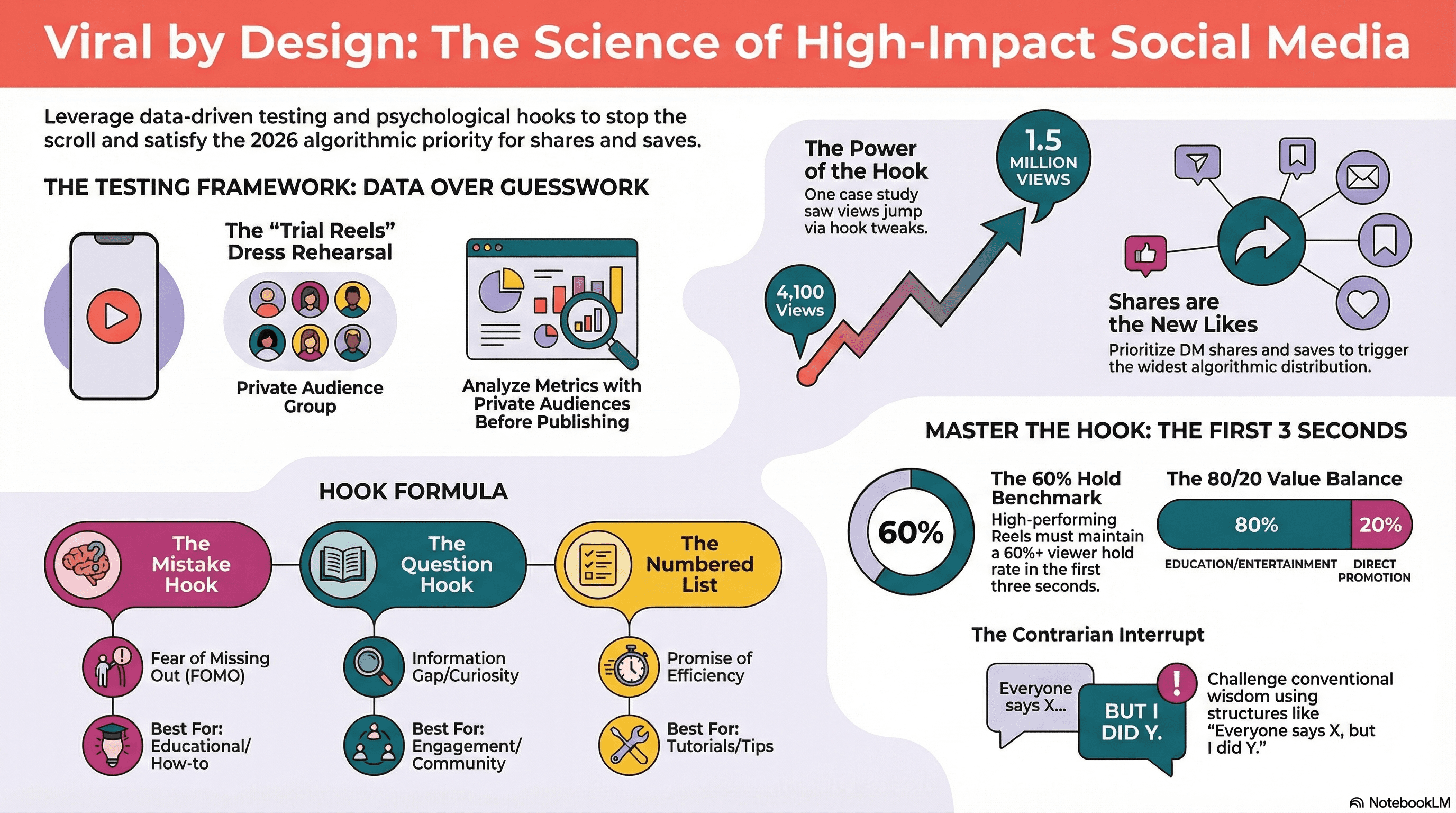
1. Use the 80-20 Rule
Keep:
80 percent of your content consistent and proven
20 percent experimental
This ensures stability while allowing innovation.
For example:
If you post 5 videos per week:
4 follow your proven format
1 tests a new concept
This protects your base reach.
2. Test in Stories First
Before publishing a full Reel:
Share snippets in Stories
Run polls
Ask questions
Collect feedback
Stories are relationship tools, not discovery tools.
They are safe spaces to test reactions.
3. Use a Secondary Format
If your brand is Reel-heavy, test ideas in:
Carousels
Live sessions
Collaborative posts
This allows you to experiment without disrupting your primary format.
4. Collaborate With Influencers for Testing
Instead of testing risky ideas on your main brand page, partner with niche influencers.
Influencers can:
Test new storytelling angles
Experiment with tone
Try new formats
Collect audience insights
Platforms like Influish help brands:
Identify relevant influencers
Launch small test campaigns
Measure engagement
Secure payments through escrow
This reduces risk and distributes experimentation across multiple creators.
5. A/B Test Hooks
Often the problem is not the idea.
It is the first 3 seconds.
Test different:
Opening lines
Visual hooks
Text overlays
Thumbnail styles
Small changes in hooks can dramatically change performance.
6. Test With Paid Boosting
If you are unsure about organic reaction, run small budget ads on experimental videos.
Use:
Profile visit objective
Engagement objective
If the content performs well under paid conditions, scale organically.
Metrics to Track When Testing Video Ideas
Instead of only tracking likes, monitor:
Watch time
Completion rate
Saves
Shares via DM
Profile visits
Click-through rate
If a new format increases watch time and saves, it is promising even if likes are moderate.
Influencer Marketing as a Risk-Free Testing Lab
Influencer marketing in 2026 is not just for awareness.
It is also for experimentation.
Brands can:
Brief 10 micro influencers with the same concept
See which version performs best
Scale the winning format
Influish makes this easier by allowing brands to:
Post campaigns
Review influencer profiles
Select niche-focused creators
Manage structured collaborations
Track campaign outcomes
Instead of risking your main brand page, you test across communities.
This is strategic scaling.
How to Maintain Algorithm Stability While Testing
Stay Within Your Niche
Even when testing, stay within your topic cluster.
If you are a fitness brand, do not suddenly post unrelated comedy.
Experiment within your core category.
Maintain Posting Frequency
Do not reduce consistency while testing.
Irregular posting impacts performance more than experimentation.
Keep Branding Consistent
Even if format changes, maintain:
Visual identity
Tone
Messaging clarity
This keeps your brand recognizable.
Example: Safe Testing Strategy for a Skincare Brand
Week 1:
Post 4 educational Reels
Test 1 behind-the-scenes manufacturing video
Week 2:
Post 3 educational Reels
Test 2 influencer collaboration Reels
Test 1 storytelling video
Measure performance.
Scale what works.
Why Brands Must Embrace Testing in 2026
The digital landscape changes fast.
New formats emerge.
Trends evolve.
Audience expectations shift.
Brands that never test stagnate.
Brands that test intelligently grow.
Influencer marketing platforms like Influish reduce experimentation risk by:
Connecting you with relevant creators
Allowing controlled campaign launches
Ensuring safe payment handling
Providing structured collaboration systems
Innovation becomes manageable, not scary.
Common Mistakes When Testing Video Ideas
Testing Too Many Variables at Once
Change one factor at a time.
Abandoning an Idea Too Early
Sometimes content needs repetition before it gains traction.
Ignoring Audience Feedback
Comments and DMs reveal valuable insight.
Reacting Emotionally to One Bad Post
Performance must be analyzed over patterns, not single posts.
FAQs About Testing Video Ideas
Will testing new content reduce my Instagram reach?
Not if done strategically. Using the 80-20 rule protects your core performance.
How many experimental videos should I post?
Around 20 percent of your total content is a safe testing ratio.
Is influencer collaboration good for testing ideas?
Yes. Influencers allow brands to experiment in multiple communities without risking their main account.
What metrics matter most when testing?
Watch time, completion rate, saves, shares, and profile visits are stronger indicators than likes.
How does Influish help brands test safely?
Influish enables structured influencer campaigns, niche targeting, performance tracking, and secure escrow payments, reducing campaign risk.
Final Thoughts
Growth without experimentation is impossible.
But experimentation without structure is dangerous.
In 2026, smart brands:
Protect their core content
Test within niche boundaries
Use influencers as experimentation partners
Track meaningful metrics
Scale based on data
Trying new video ideas does not have to risk your reach.
It just requires strategy.
Because in modern digital marketing, the biggest risk is not testing.
It is staying the same while everyone else evolves.